
Key Takeaways
- Attic ventilation is a system, not just vents. It only works when cool air enters low and warm moist air exits high in a steady cycle.
- Balance matters more than quantity. If intake is too small compared to exhaust, airflow stalls and the attic keeps trapping heat and humidity.
- Heat speeds up roof wear. A hot attic can “cook” shingles from below, weakening sealants and increasing the risk of curling and blistering.
- Moisture is the silent roof killer. Warm indoor air that reaches a cold roof deck can condense, leading to rot and mold even without a visible leak.
- Your house shows warning signs early. Curling shingles, rusty nails, big winter icicles, and musty smells all point to ventilation trouble.
- Ventilation works best with air sealing. Good vents cannot fix big air leaks; adding insulation without baffles can block soffits and worsen problems.
Introduction
Just like humans need to breathe to stay healthy, your house requires a constant flow of fresh air to maintain its structural integrity. Many homeowners spend thousands of dollars on beautiful shingles and high quality siding but completely ignore the dark space right above their heads.
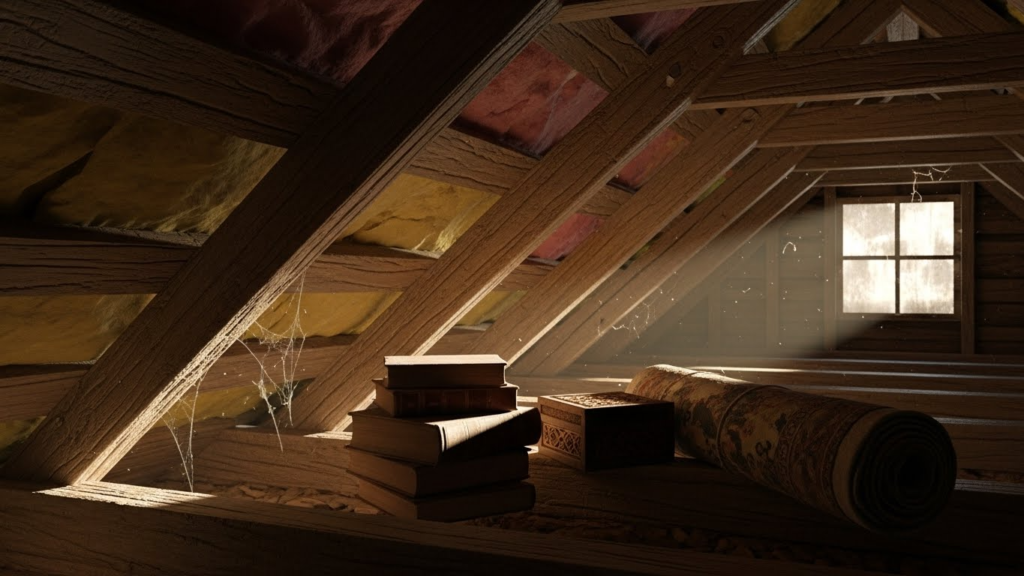
The attic is not just a place for holiday decorations; it is the lungs of your home, and its ability to circulate air directly determines how long your roof will last. When an attic cannot breathe, heat and moisture become trapped, creating a silent storm that destroys your roof from the inside out.
You might not see the damage immediately, but the shingles, the wooden deck, and even your insulation are all at risk when airflow is restricted. Understanding the relationship between the air in your attic and the health of your roof is the first step toward avoiding massive repair bills.
What Attic Ventilation Actually Is (And What Most Homeowners Get Wrong)
Most people assume that having a few holes in the roof or some grates under the eaves is enough to call a house ventilated. In reality, true attic ventilation is a precisely calculated system that relies on a balance between cool air coming in and hot air leaving the space.
- Intake Ventilation: This usually happens at the lowest point of the roof, such as the soffits or eaves, where cool and fresh air enters the attic.
- Exhaust Ventilation: This occurs at the highest point of the roof, often through a ridge vent or turbines, allowing hot and stale air to escape.
- Balanced Airflow: For the system to work, the amount of intake must roughly equal the amount of exhaust to ensure a continuous cycle.
A very common mistake made by contractors and homeowners alike is the belief that more vents are always better. If you add too many exhaust vents without increasing intake, the system can actually start pulling air from your living room or pulling rain into the house. Ventilation is not about the number of holes you have; it is about creating a functional path for air to move naturally without getting stuck in stagnant pockets.
The Science Behind Attic Ventilation and Roof Performance
The movement of air in your home follows the laws of physics, specifically a concept known as the stack effect. Since hot air is less dense than cold air, it naturally rises, and in a well designed home, this rising air escapes through the top while pulling cooler air in from the bottom.
During the summer, the sun beats down on your shingles, and that heat radiates directly into the attic space. The U.S. Department of Energy notes that conventional roofs can reach temperatures of 150°F or more on a sunny summer afternoon. In the winter, the problem shifts to moisture, as warm and humid air from your kitchen or bathroom drifts upward. If that moisture hits a cold roof deck, it turns into liquid water, which leads to wood rot and mold growth.
How Poor Attic Ventilation Damages Your Roof
When air stays trapped in the attic, the consequences are both immediate and cumulative, often leading to a total roof failure years before it should happen. The heat literally cooks the shingles from underneath, causing them to lose their protective granules and become brittle.
- Shingle Blistering: Trapped heat causes the oils in asphalt shingles to evaporate, leading to bubbles and cracks.
- Deck Rot: Moisture that condenses on the wooden roof deck causes the wood to soften and eventually rot away.
- Ice Damming: In cold climates, heat escaping through the roof melts snow, which then refreezes at the cold eaves and creates a dam of ice.
- Mold Infestation: Damp and dark environments are perfect for mold, which can destroy your attic insulation and ruin your indoor air quality.
Long term structural weakening is perhaps the scariest result of poor airflow. When the wooden rafters and decking are constantly exposed to high humidity and heat, they begin to warp and lose their strength, which can lead to a sagging roofline.
Signs Your Attic Ventilation Is Hurting Your Roof
You do not always need to climb a ladder to know if your ventilation is failing. Many of these symptoms appear as cosmetic issues but are actually cries for help from your roofing system.
- Curling Shingles: If your shingles look like they are turning upward at the edges, it is often a sign of excessive heat in the attic.
- Rusty Nails: Check your attic for rusted nails or light fixtures, which indicates that the humidity levels are far too high.
- Winter Icicles: Large icicles hanging from your gutters are a primary indicator that heat is trapped in the attic and causing snow to melt unevenly.
- Skyrocketing Cooling Bills: If your air conditioner runs constantly but the house stays warm, your attic might be acting like a giant radiator.
Inside the attic, look for dark stains on the wood or insulation that feels damp to the touch. Even a faint musty smell when you open the attic hatch is enough evidence to suggest that the air is stagnant.

Types of Attic Ventilation Systems (And When Each Actually Works)
There are dozens of different vent styles on the market, but they all fall into two main categories: passive and active systems. Selecting the right one depends on the shape of your roof and your local climate.
- Ridge Vents: Installed along the peak of the roof, often considered the most efficient for exhaust because they sit at the highest point.
- Soffit Vents: Located under the eaves, serving as the primary intake point for cool air.
- Gable Vents: Located on the flat ends of the house, relying on cross breezes to move air horizontally.
- Powered Attic Fans: Use electricity to pull air out, though they can sometimes cause issues by pulling conditioned air out of the home.
The Intake Exhaust Balance Rule (The #1 Thing Roofs Fail On)
The most important technical aspect of ventilation is the Net Free Area, which is the total unobstructed area through which air can move. If you have 10 square feet of exhaust space but only 2 square feet of intake space, the system will fail to perform.
The Asphalt Roofing Manufacturers Association explains that improper ventilation can lead to premature deterioration of shingles and roof deck. If the intake and exhaust are not balanced, the air will simply sit still, and the heat will continue to build up until it reaches dangerous levels.
How Proper Attic Ventilation Extends Roof Lifespan
A well ventilated roof is a roof that lives a long and healthy life, saving you tens of thousands of dollars over the decades.
- Preserving Adhesives: Heat can break down the sealants that hold shingles together, making them prone to blowing off in the wind.
- Protecting Underlayment: The waterproof layer beneath your shingles stays intact longer when it is not subjected to extreme temperature swings.
- Warranty Compliance: Most major shingle manufacturers will actually void your warranty if they find that the roof was installed over an unventilated attic.
When you invest in airflow, you are essentially buying insurance for your shingles. Keeping the temperature of the roof deck close to the outside temperature is the secret to longevity.

Attic Ventilation, Insulation, and Air Sealing (The Trio)
Ventilation does not work in a vacuum; it is part of a three part system that includes insulation and air sealing.
- Air Sealing: Involves closing gaps around pipes, wires, and chimneys to keep your expensive indoor air where it belongs.
- Insulation: High R value insulation keeps heat from moving between your living space and the attic.
- Baffles: Plastic channels that ensure your insulation does not block the soffit vents, keeping the intake path clear.
If you have great ventilation but no air sealing, your heaters will work overtime to replace the air that is escaping into the attic. These three elements must work in harmony to protect the roof.
Climate Specific Attic Ventilation Considerations
One size does not fit all. A home in the humid South has very different needs than a home in the snowy North.
| Climate Region | Ventilation Strategy |
|---|---|
| Hot & Humid | Priority is removing both moisture and heat to prevent mold and reduce AC load. |
| Cold & Snowy | Goal is keeping the roof deck cold to reduce ice dams while managing moisture from indoor heating. |
| Dry Climates | Moisture is less of an enemy; heat removal becomes the main focus to protect shingles. |
| Coastal Areas | Must manage salt air corrosion and strong winds pushing rain into vents. |
Building Codes and Manufacturer Guidelines
Most modern codes require specific ventilation ratios, but these are often the bare minimum.
- IRC Requirements: Provides the baseline for how much ventilation a new home must have.
- Manufacturer Specs: Companies like GAF or CertainTeed often have stricter requirements than the local building code.
- Professional Judgment: Experienced roofers account for local shade, roof pitch, or home orientation.
Following the code might keep you legal, but following manufacturer guidelines is what keeps your warranty valid.
How a Professional Roof Inspection Evaluates Ventilation
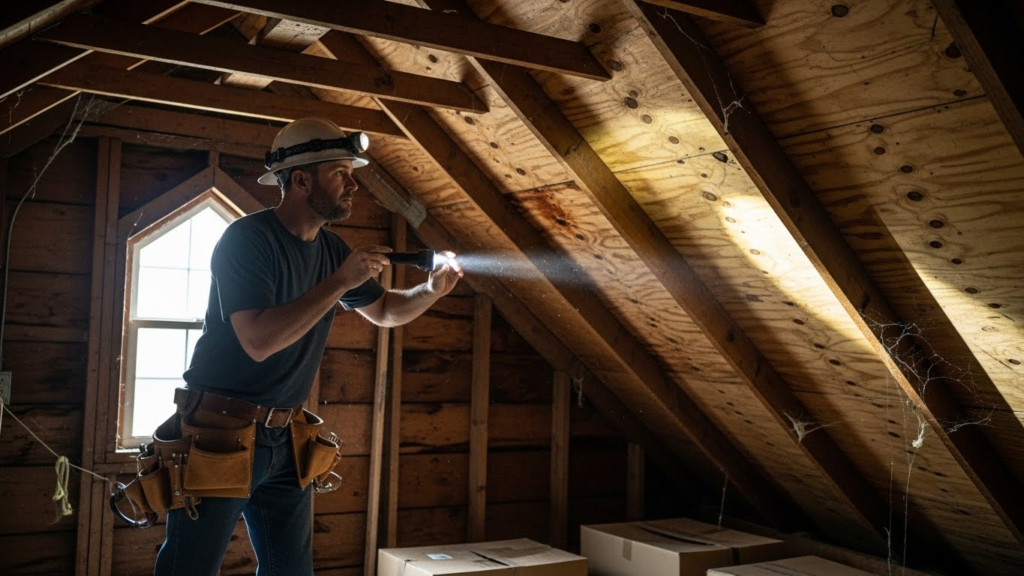
A true professional spends serious time in the attic because that is where many roof problems start. Instead of guessing, they use tools the naked eye cannot replace:
- Thermal Imaging: Infrared cameras reveal where heat is building up and where insulation may be missing.
- Moisture Meters: Check moisture content in the roof decking even when wood looks dry.
- Anemometers: Measure the actual speed of air moving through vents to confirm the system is working.
A visual check can be misleading; a vent might look clear from the outside but be blocked by insulation on the inside.
When Attic Ventilation Fixes Are Worth It
You have to weigh the cost of the fix against the remaining life of the roof.
- If your roof is less than 10 years old and showing minor signs of heat stress, fixing ventilation can double its remaining life.
- If you have active mold or rotted wood, ventilation alone is not enough; you likely need a partial roof replacement.
- If the roof deck is sagging and shingles are falling apart, spending money on new vents is a waste of resources.
Final Takeaway: Attic Ventilation Is a Roof System
You should view attic ventilation as a fundamental part of your roof, not just an optional add on. Without proper airflow, even the most expensive shingles will fail. By paying attention to the warning signs and respecting the science of the stack effect, you can protect your biggest investment for years to come.
Is your attic baking your shingles?
A detailed evaluation can pinpoint where your airflow is failing. Get the peace of mind you deserve.
