An infrared roof inspection helps locate temperature patterns that may indicate moisture beneath the roof covering. Roof Eval evaluates those patterns against the assembly’s construction and verifies suspected moisture before drawing conclusions. For owners facing unexplained leaks or a proposed replacement, this approach provides evidence to discuss with their project team before approving major work.
The camera measures surface temperatures rather than seeing through roofing materials. Findings distinguish confirmed moisture from areas that need further investigation.
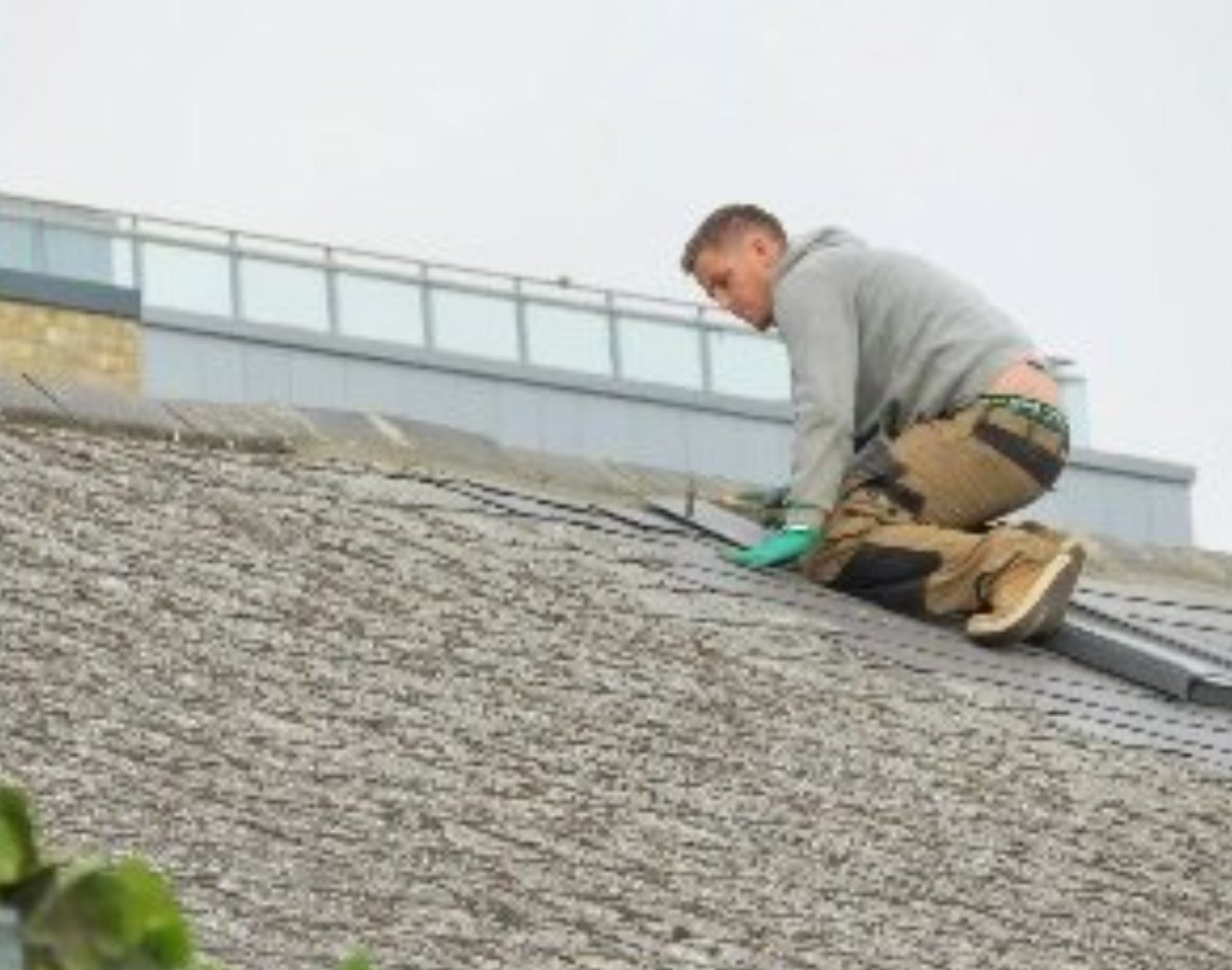 FIELD PHOTO · ANNOTATED
 NRCIA Forensic CertifiedEvidence-backed reports
WHAT YOU GET
An infrared roof survey connects temperature differences with roof locations, creating a record that guides verification and supports practical decisions about existing materials.
Images show sections cooling differently from surrounding areas. On suitable assemblies, patterns may indicate retained water, although changes in materials can produce similar appearances requiring closer assessment.
A drone thermal roof inspection provides an overview of larger roof sections when included in the agreed scope. Site conditions and flight restrictions determine whether aerial imaging is appropriate.
An infrared roof moisture survey relates suspected zones to identifiable features, such as equipment curbs. Mapped locations direct field checks and distinguish confirmed wet areas from unexplained patterns.
Thermal images paired with visible photographs help recipients recognize each location. Report annotations explain the observed pattern and verification results, including limitations affecting the interpretation of individual roof sections.

OUR APPROACH
Roof Eval adapts each thermal imaging roof inspection to the reported concern. Planning commercial maintenance calls for a different scope from investigating ceiling stains at home. Reviewing the purpose first helps select the assessment method.
Roof construction determines suitability. Reflective coverings or heavy ballast may limit interpretation. We explain those restrictions before recommending other add-on services, so owners understand what their assessment can establish.
Hidden Leaks
Insulation Gaps
Maintenance Planning
THE PROCEDURE
An infrared roof moisture scan follows a planned sequence, with weather conditions and verification methods considered before temperature differences are treated as evidence of concealed moisture.
Review construction and weather forecasts to identify a suitable scanning window with useful temperature contrast.
Examine accessible surfaces and details, noting conditions that could affect how thermal patterns are interpreted.
Capture images systematically across suitable sections, adjusting camera settings for the surface characteristics being assessed.
Record unusual patterns against identifiable roof features so follow-up checks can revisit the same locations.
Check suspected areas with appropriate moisture meters or core samples when needed, with owner approval.
Compile observations and test findings, separating confirmed conditions from unresolved questions requiring additional investigation or access.
WHY CHOOSE US
Useful evidence requires careful interpretation. Roof Eval explains how observations support recommendations and where further assessment is needed.
Our role is inspection and reporting. Roof Eval never repairs, replaces or installs roofs, keeping recommendations independent.
Not every roof suits infrared. We check the roof type, surface and weather window first, and recommend moisture meter scanning instead when imaging would not give a reliable answer.
Annotated photographs connect findings with recognizable roof sections, helping owners and contractors discuss the same assessed areas.
Access arrangements and agreed testing define coverage before the appointment, helping property teams prepare for the assessment.
TRUSTED & CERTIFIED
Infrared findings are only as good as the inspector reading them. Our credentials and inspection-only model keep your thermal report accurate and independent.
Forensic roof assessment training, so thermal patterns are interpreted alongside the roof’s construction and repair history, not from images alone.

Commercial property inspection certification, relevant to the low-slope commercial roofs where infrared scanning is most effective.

Roof Eval is a veteran-owned business, owned and operated by a U.S. military veteran.
WHEN TO BOOK
Water can travel inside the roof before it shows indoors. A scan helps locate wet insulation near the problem, so the leak investigation starts in the right place.
Covering wet insulation traps the problem inside the new roof. Scanning first shows which sections are dry enough to keep, so contractor proposals can be compared on the same facts.
Wind-driven rain and ice dams can push water under the covering without visible damage. A scan documents conditions while they are recent, for your records or claim discussions.
For commercial and multifamily deals, a scan adds evidence about concealed moisture that a visual inspection cannot confirm, before the terms of the sale are finalized.
BENEFITS
Verified findings help owners evaluate roofing proposals against existing conditions, giving maintenance discussions a documented starting point.
Thermal images and verified findings you can share with your contractor, insurer or buyer.
The camera surveys surface temperatures without opening the roof. This helps narrow investigation areas before separately approved sampling is considered.
Confirmed moisture locations guide contractors’ evaluation. Leak detection analysis may still be needed to investigate the entry point before a repair scope is developed.
Moisture distribution helps compare selective work with broader replacement proposals. Overall roof condition and material suitability still influence the final decision.
Dated photographs and verification findings provide evidence for claim discussions. The report does not guarantee coverage or establish when damage occurred.
Documented concerns help property managers prioritize follow-up and revisit assessed sections, supporting planned maintenance rather than responding only when staining appears.
LOCAL COVERAGE
A commercial infrared roof inspection checks for signs of trapped moisture. Pair it with a commercial roof inspection to assess visible wear and damage.
Homeowners with recurring stains can discuss whether scanning suits their roof, helping determine the next investigative step before arranging work on the covering.
Broward County managers can request infrared roof inspection services suited to their building. Scheduling accounts for local weather and available property access.
FAQs
These answers explain when scanning is useful and why thermal patterns require confirmation before decisions about concealed moisture are made.
It records surface temperature patterns that may indicate wet insulation or differences in construction. The camera detects thermal behavior rather than directly viewing water beneath roofing.
A thermal roof scan often follows sunset after sufficient daytime heating. Dry surfaces and suitable weather help produce interpretable contrast; the exact timing depends on construction.
Suitable assemblies may reveal patterns associated with retained moisture. Confirming wet insulation does not establish where water entered; finding the leak source may require separate investigation.
No. Temperature differences have several possible causes. Moisture meters or approved core samples verify suspected water, while visual observations help explain the pattern’s context and significance.
GET IN TOUCH
Tell Roof Eval about your concern so we can discuss whether thermal imaging fits the property.
Enter your question below and we will get right back to you!
Please enter a mobile phone number below.
