A rooftop HVAC inspection documents how equipment connects to your roof and where those connections need attention. Roof Eval maps accessible units and associated details, giving facility managers a reference for discussing roofing concerns. Understand conditions around equipment before approving work, especially when maintenance records lack clear locations or photographs of earlier findings.
Add HVAC mapping to your roof assessment for documented observations you can share with your chosen roofing or mechanical contractor.
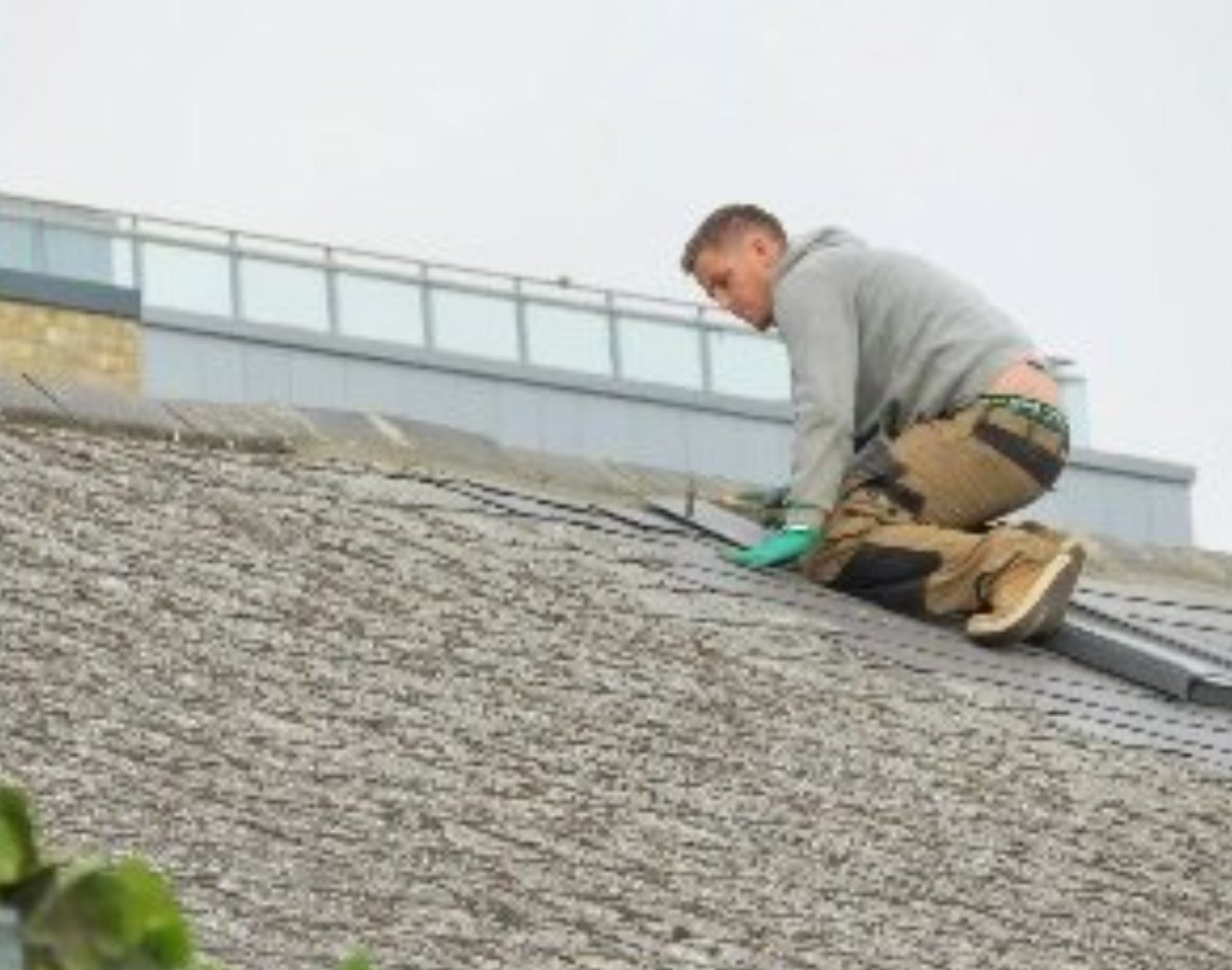 FIELD PHOTO · ANNOTATED
 NRCIA Forensic CertifiedEvidence-backed reports
WHAT YOU GET
The map connects equipment locations with observed roof conditions. These four deliverables help you understand the findings and coordinate follow-up with contractors.
A rooftop unit inspection records accessible equipment locations and surrounding roof details. Identified curbs give your team a reference for finding reported concerns without relying on informal descriptions of locations.
An HVAC roof penetration inspection examines visible seals and flashing around equipment connections. We document gaps or deterioration, distinguishing observed defects from concealed conditions that cannot be assessed during inspection.
We observe visible condensate lines and nearby drainage conditions for concerns affecting the roof. Recorded discharge locations help you discuss standing water or damaged surfaces with the appropriate service provider.
Your rooftop equipment survey combines a location reference with supporting photographs and written observations. The report explains inspection limitations, helping management teams understand which details need further access or investigation.
ABOUT US
Roof Eval examines the roofing details around mechanical equipment. Its rooftop HVAC assessment helps owners understand visible connections and surrounding membrane condition, with attention to concerns that equipment servicing may leave unresolved.
Founded in 2023, the company draws on Max Cohen’s more than ten years in the roofing trade. It provides independent findings for property decisions and never repairs, replaces or installs roofs. HVAC operation remains outside this inspection’s scope.
Leak Prevention
Maintenance Planning
Insurance
THE PROCEDURE
The six checks below organize the site review. Equipment locations and associated roofing details are recorded within the agreed scope, with access restrictions clearly identified.
We review available roof drawings and maintenance records to establish locations and questions for assessment.
The RTU inspection identifies accessible rooftop units and records their positions for the equipment map.
A roof curb inspection checks visible flashing connections for separation or deterioration around equipment bases.
We review visible seals around service connections, documenting openings that may allow water into roofing.
We note visible discharge routes and drainage concerns near equipment, including signs of standing water.
We connect photographs with mapped locations, explaining observed deficiencies and recording areas unavailable for examination.
WHY CHOOSE US
Independent findings help you discuss equipment-related roofing concerns with service providers. The following strengths guide our inspection approach.
Roof Eval provides findings without a roofing proposal attached. You select the contractor for any corrective work.
Max Cohen’s roofing background informs the review of equipment connections and visible details affecting the surrounding roof membrane.
Your rooftop mechanical equipment inspection addresses roof interfaces, with agreed boundaries that distinguish mapping from HVAC performance testing.
Mapped locations and photographs give contractors a shared reference when discussing observed concerns or arranging further site investigation.
TRUSTED & CERTIFIED
Detailed roof inspections help identify potential concerns and guide maintenance decisions, supported by practical roofing expertise and a commitment to attentive service.
A specialized credential for comprehensive, technical roof inspections used for insurance claims, building code compliance and workmanship evaluations.
Certified by the Certified Commercial Property Inspectors Association after completing required courses and passing its exam.

Roof Eval is a veteran-owned business, owned and operated by a U.S. military veteran.
OUR PROCESS
Share equipment changes and any reported leaks before the visit. We confirm inspection boundaries and coordinate roof access with the person responsible for your building.
We establish a location reference for accessible equipment. This connects unit positions with roofing details, helping your team identify the areas discussed in the report.
The rooftop HVAC unit inspection examines visible roof connections and surrounding surfaces. Where observations warrant additional investigation, thermal imaging can be discussed as a separate diagnostic service.
Receive photographs and mapped findings with recommended follow-up. Review the documented concerns with your chosen contractors, using the report to clarify next steps before arranging work.
BENEFITS
Documented conditions help you coordinate roofing decisions around equipment. The benefits below depend on appropriate follow-up by your chosen providers.
Documentation you can share with your contractor, insurer or property team.
Visible gaps can identify details needing attention. For active water entry, discuss an HVAC roof leak inspection through leak detection analysis.
Recorded damage around equipment helps you flag vulnerable surfaces before future service visits and discuss suitable protection with your contractors.
Locations and photographs help facility teams organize follow-up requests. Add mapping to a commercial roof inspection for a broader condition review.
Dated photographs provide a condition record for discussions with insurers or manufacturers. Acceptance depends on their documentation requirements and applicable terms.
Identifying equipment-related roofing concerns supports timely maintenance decisions. Addressing documented defects may help limit deterioration, depending on roof condition and follow-up.
LOCAL COVERAGE
Facility managers throughout Suffolk County can request mapping for equipment locations and roofing concerns, helping coordinate maintenance discussions across commercial buildings with rooftop units.
Commercial owners in Nassau County can document visible roof connections around equipment before planned servicing or when reviewing concerns reported by building occupants.
Roof Eval also serves Broward County, Florida. Share your property address and equipment concerns to discuss coverage and arrange appropriate inspection access before booking.
FAQs
Have questions about mapping or inspection coverage? The answers below explain the service before you arrange an appointment.
It records equipment locations and associated roofing details, connecting observed concerns with photographs. Your report provides a reference for discussing roof conditions around mechanical equipment.
Leaks may develop where flashing or penetration seals deteriorate. Equipment is not automatically the cause; identifying the water entry point may require separate leak investigation.
No. Roof Eval inspects how equipment interfaces with the roof. It does not test HVAC performance or service units, and never performs roof repair work.
Discuss your property and assessment goals before booking. Review add-on services to explore options; suitability depends on roof access and the agreed inspection scope.
GET IN TOUCH
Contact us with equipment details and roof concerns so we can discuss the appropriate inspection scope.
Enter your question below and we will get right back to you!
Please enter a mobile phone number below.
